Exercising Caution When Using AI
The Trump Administration has prioritized Artificial Intelligence (AI) innovation for America. First Lady Melania Trump recently joined members of the White House Task Force on Artificial Intelligence Education, as well as private sector leaders, for a roundtable discussion of AI. During the discussion, the First Lady stressed the importance of approaching AI cautiously to protect America’s children.
These conversations about AI serve as an important reminder to parents that while AI has many benefits, parents must be aware of its impact on kids – especially as it impacts children’s lives through apps marketed as tools for homework assistance or virtual friendship on platforms such as Meta, ChatGPT and Character.AI. These platforms, which can be easily accessed without parental oversight, can erode critical thinking, isolate kids from real relationships, and expose them to harmful content. Parents must empower themselves with a proper understanding of AI so they can set appropriate guardrails for their children. It’s impossible for parents to protect their kids from something they know nothing about, and this is a place where it is crucial for parents to pay attention.
AI May Hurt Children’s Development
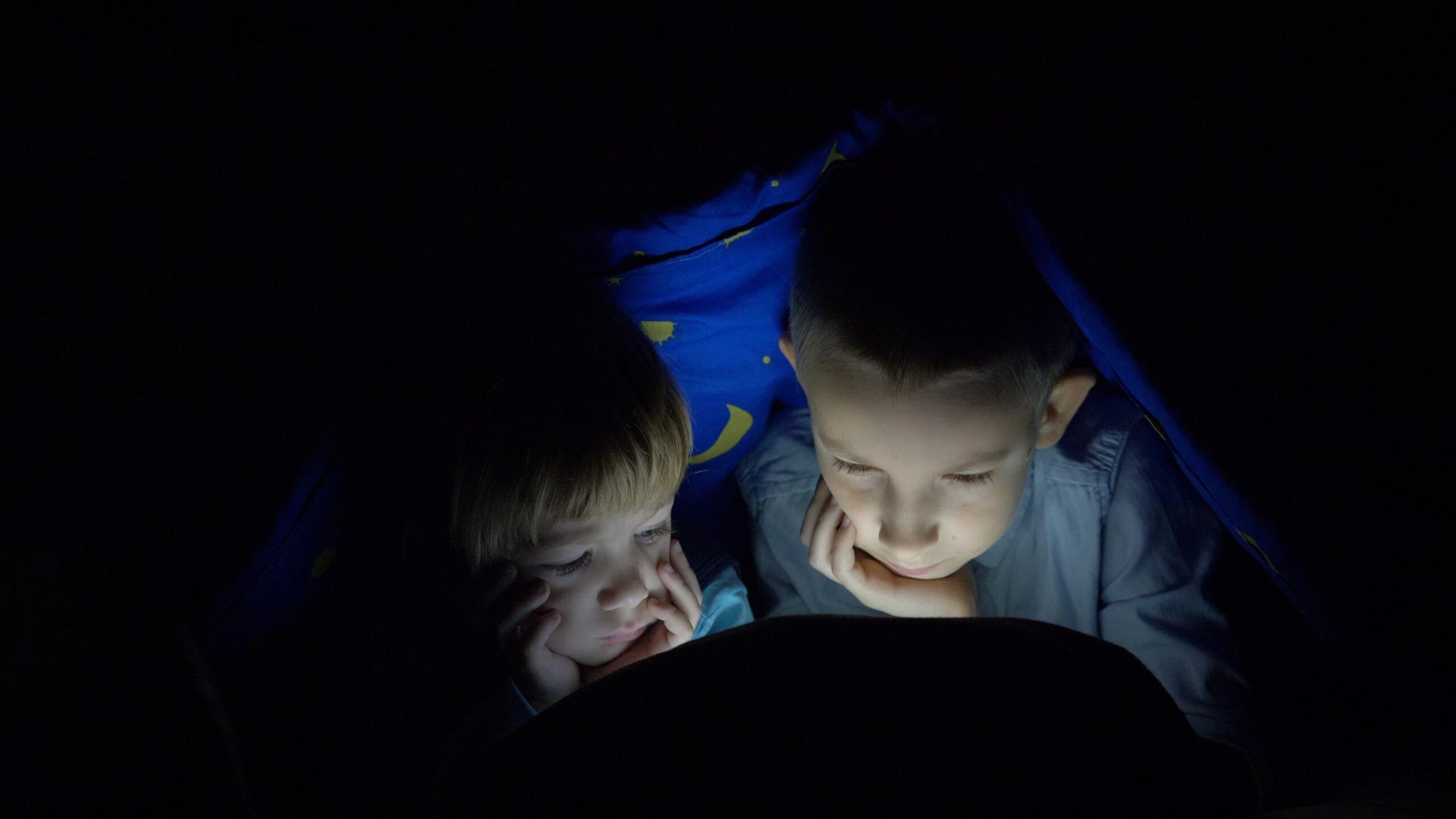
While AI can be a resource for parents and children, the technology is still too new for parents to know the long-term impacts it could have on kids’ development. Already, some studies show concerning negative impacts. For example, a 2025 Common Sense Media report highlights how excessive use of AI can harm kids’ socialization by reducing face-to-face interactions which are crucial for developing emotional intelligence. Kids may also become emotionally dependent on AI companions that cannot reciprocate real, meaningful human emotions and relationships. A recent report revealed that already, 31 percent of teens find conversations with AI companions as satisfying or more satisfying than those with real-life friends.
Another study suggested that ChatGPT and other AI programs could reduce users’ brain engagement, performance, and increase laziness – especially for younger users.

A 2023 RAND American Teacher Panel survey of K–12 public school teachers highlights that 25 percent of teachers said they used AI for planning or instruction. Microsoft and OpenAI announced a multi-million-dollar program that trains teachers to use AI as part of a bigger push by tech companies to integrate chatbots into education. Using AI as a resource can also be effective and efficient, with some AI platforms saying the technology will help teachers grade assignments, prepare lessons, draft recommendation letters, and ultimately prepare kids for the work force.
A recent Harvard study found that while generative AI can make people more productive, it makes them less motivated. Parents and educators need to be diligent and ensure AI is used appropriately, or else AI use can result in the erosion of critical thinking skills.

Threatening Safety and Privacy
Perhaps the most immediate threat comes from the almost complete lack of guardrails on AI for children. OpenAI, the company who owns ChatGPT, recently introduced features to make users safer, including parental controls. According to the post, the guardrails allow parents to “control how ChatGPT responds to their teen” and “receive notifications when the system detects their teen is in a moment of acute distress.” Although putting measures into place to protect underage users is a positive, they are not fool-proof. For example, a 16-year-old in California bypassed safeguard methods by “saying the requests were for a story he was writing.” In response, ChatGPT essentially acted like a suicide coach and ultimately resulted in the boy using the bot’s advice to end his life. Child sexual abuse material (CSAM) is intensifying rapidly online, with AI-CSAM cases soaring to 485,000 in the first six months of 2025, up from 67,000 in 2024. A sextortion scam earlier this year resulted in a teen boy committing suicide when bad actors used AI-generated nude photos to blackmail him. In another incident, a 14-year-old girl discovered that students were circulating nude AI images of her around the school.
Source: The Independent
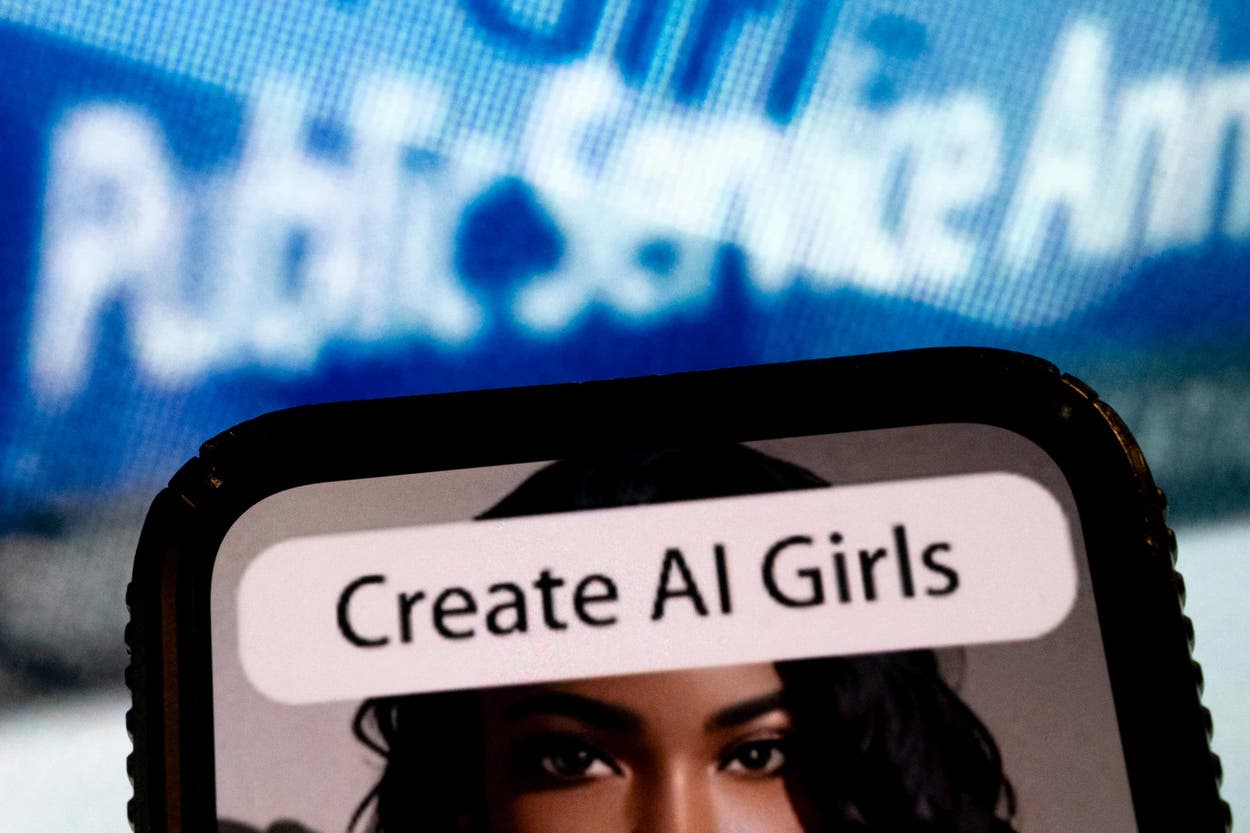
American Parents Coalition recently launched a campaign, the Dangers of Meta, warning parents about how Meta’s AI chatbots and digital companions expose children to sexual content and inappropriate materials. The campaign highlighted a recent WSJ report that exposed Meta AI bots for engaging in hyper-sexual conversations with kids. The AI bots also identified as minors while engaging in sexual discussions and fantasies which included impersonating a child that desired to be sexually dominated by an authority figure.

Source: Wall Street Journal
American Parents Coalition (APC) has advocated for more guardrails to protect children as technology continues to rapidly develop. In a recent op-ed, Executive Director Alleigh Marré advocated for technology companies to involve parents in a formal way as companies make decisions on how to present technology and new platforms to kids. APC also sent a letter to Congress urging lawmakers to open an investigation into Meta for endangering children and suggested changes Meta could make to protect underage users, such as external parental advisory committees.
In August, a bipartisan group of Senators sent a letter to Meta and Meta CEO Mark Zuckerberg seeking stronger protections on Meta’s AI Chatbots for children. In mid-September, the Senate Judiciary Committee held a hearing where parents who have sued OpenAI and CharacterAI for their teenagers’ suicides testified about the need to protect underage users.
Steps like this could go a long way to foster trust between parents and companies, while ensuring there are proper guardrails on platforms available to kids.
The Threat of Foreign Adversaries
Parents also need to be aware of AI platforms accessible to kids run by foreign adversaries, that seemingly aim to undermine American children’s development. DeepSeek AI, an artificial intelligence chatbot powered by the Chinese Communist Party, overtook ChatGPT as the top free app on Apple’s mobile-app store in the United States in January of 2025. Researchers found that DeepSeek spreads Chinese propaganda and Chinese disinformation campaigns to users. In a New York Times article, this disinformation was shown when the chatbot misrepresented President Jimmy Carter’s remarks to imply that Carter had endorsed China’s position on Taiwan being part of the People’s Republic of China. Without proper oversight and awareness, children may be susceptible to false information when relying on Chinese AI chatbots, like DeepSeek, for information. American Parents Coalition also highlighted the dangers of Chinese-owned TikTok in a campaign, TikTok is Poison.
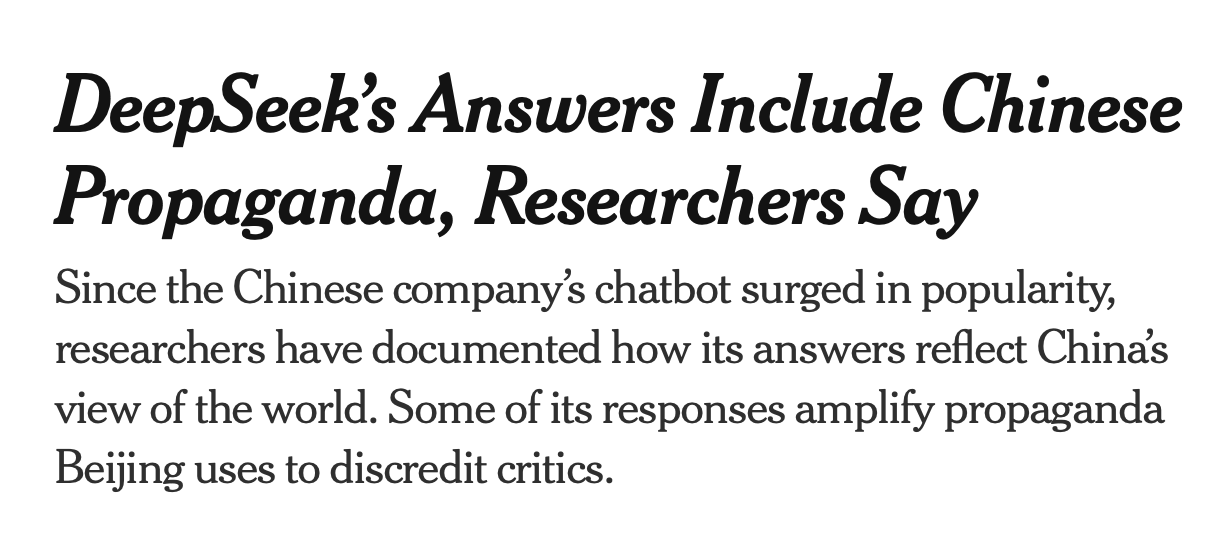
Source: The New York Times
TIPS FOR PARENTS

OTHER NEWS YOU NEED TO KNOW
TIKTOK DEAL GIVES CCP POWER TO MANIPULATE CONTENT FOR KIDS: The White House’s new ‘framework’ for a Tik Tok deal could include licensing the algorithm from ByteDance, giving the Chinese Communist Party “considerable leverage over American politics.” Read more here.
TRUMP ADMIN DEMANDS KAISER CHANGE INFORMED CONSENT POLICIES FOR GENDER-TRANSITION SURGERIES ON CHILDREN: The Centers for Medicare and Medicaid Services (CMS) is seeking answers from Kaiser Permanente surrounding the medical organization’s informed consent policies on gender-transition care. CMS and other departments in the Trump Administration have been cracking down on gender-transition surgeries for minors and working to ensure that all patients seeking gender-reassignment surgeries are aware of the long-term and often irreversible effects of the medical interventions they are seeking.
Read more here.
FTC PROBES AI CHATBOTS’ DANGERS TO KIDS AND TEENS: The FTC is investigating seven major AI companies – Google, Meta, OpenAI, Character.AI, Instagram, Snap, and ‘X’ — to determine how they ‘test, monitor and measure the potential harm their AI chatbots may cause to young users.’ This investigation follows recent revelations that over 70% of surveyed teenagers use AI companions, with over half of those teens using them consistently. Read more here.
MAINE PRINCIPALS’ FIGHT DOJ EFFORTS TO PROTECT GIRLS SPORTS: School leaders in Maine are resisting a federal subpoena from the U.S. Department of Justice requesting state athletic rosters. The DOJ’s request is part of the Trump Administration’s efforts to prevent biological males from participating in girls’ sports. In February, President Trump threatened to withdraw funding from Maine if the state continued allowing biological males to participate in women’s sports. The U.S. Department of Education additional found that Maine violated Title IX by allowing biological men to play on girls’ sports teams and use girls’ private spaces. Read more here.
META WHISTLEBLOWERS EXPOSE COVER-UP OF VR DANGERS TO KIDS: Former Meta employees accuse the company of suppressing and manipulating research that revealed children faced grooming, sexual harassment, nudity, and abuse in virtual reality headsets, as leaders prioritized profits over protecting kids and families. Research uncovered ‘psychological damage to children, especially girls,’ National Review reported, noting that ‘Meta allegedly told him to stop tracking emotional and psychological harms because of his findings.’ Read more here.
Thanks for reading the latest edition of the American Parents Coalition’s The Lookout. If you have a troubling story to share about a school, doctor, company, or other institution working to usurp parents’ rights, please let us know by emailing us at outreach@americanparentscoalition.org.